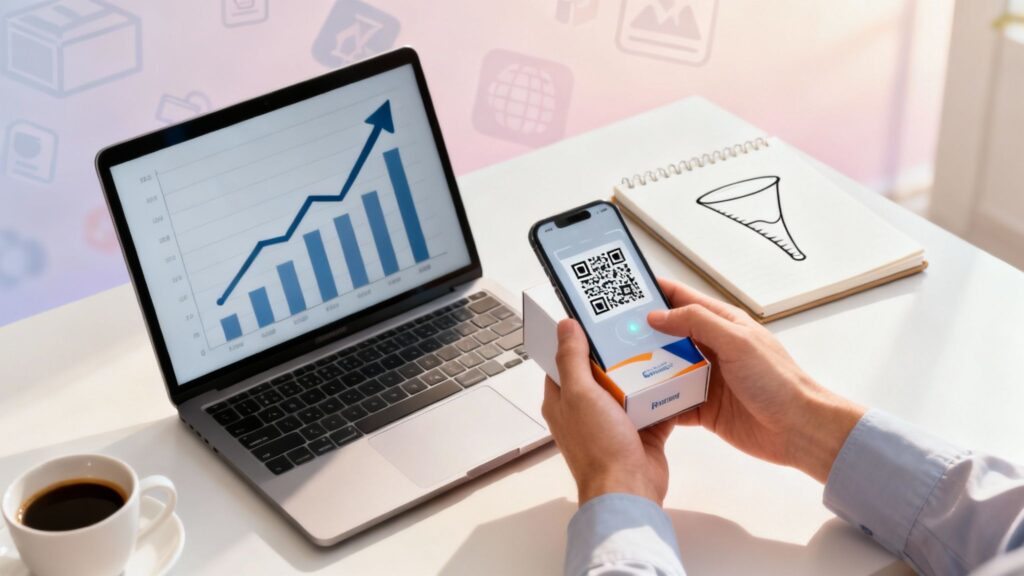
Before you even think about dropping a dollar on ads or building out elaborate marketing campaigns, you need to get your own house in order. Your website is your digital storefront, and if it’s a mess, you’re just throwing money away. A clunky, confusing website is the online equivalent of a physical store with cluttered aisles, confusing signs, and a broken credit card machine—people will just leave.
Getting this foundation right is non-negotiable. It’s about building a trustworthy, easy-to-use space that makes buying from you a no-brainer. This isn’t just a “nice-to-have”; it’s the bedrock that supports every other sales strategy you’ll ever try.
Build A Foundation For Better Online Sales
Let’s break down the three core pillars of a high-converting e-commerce site. Nail these, and you’re already ahead of the game.
Prioritize A Mobile-First Design
It’s 2025. Your customer is on their phone. This isn’t a trend anymore; it’s the default. Building your site for a desktop and then trying to shrink it down for a mobile screen is a recipe for disaster. A true mobile-first approach means designing for the smallest screen first, ensuring the experience is flawless, and then adapting it for tablets and desktops.
The numbers don’t lie. Mobile e-commerce is projected to hit $2.51 trillion by 2026, which will be nearly 59% of all online sales worldwide. Right now, almost 80% of visits to retail websites come from mobile devices. If your site isn’t built for them, you’re essentially telling the majority of your potential customers you don’t care about their business.
Simplify Your Website Navigation
Ever been on a website where you can’t find what you’re looking for? It’s incredibly frustrating. That frustration leads directly to lost sales. Your goal should be to get a customer from your homepage to the exact product they want in as few clicks as possible.
Here’s how you make that happen:
- Use Obvious Categories: Don’t get clever with your category names. Use simple, universally understood terms. If you sell shoes, call them “Shoes,” not “Footwear Canvases.”
- Make Your Search Bar Unmissable: People who use the search bar are ready to buy. Make it big, place it prominently, and make sure it works well.
- Think Logically: Structure your site like a filing cabinet. Main categories should break down into logical, specific subcategories. It has to feel intuitive.
Pro Tip: If a visitor can’t find their product in three clicks, you’re at serious risk of losing them. Simplicity sells.
To truly understand how these small tweaks add up, let’s look at a quick breakdown.
Key Website Optimizations And Their Direct Impact On Sales
This table shows how specific site improvements directly translate into more revenue.
| Optimization Area | Primary Goal | Impact on Sales |
|---|---|---|
| Mobile-First Design | Ensure a seamless experience on all devices | Captures the ~80% of traffic from mobile, reducing bounce rates and increasing conversions from this huge user base. |
| Simple Navigation | Help users find products quickly and easily | Reduces user frustration and bounce rates. A clear path to products means more items added to the cart. |
| Fast Page Speed | Load pages in under 3 seconds | Every second of delay decreases conversions. Faster sites feel more professional and keep impatient buyers engaged. |
| Streamlined Checkout | Minimize friction in the final purchase step | Drastically reduces cart abandonment rates by removing barriers like forced account creation and long forms. |
As you can see, these aren’t just cosmetic changes. They are fundamental improvements that directly address the biggest reasons people leave a site without buying.
Streamline The Checkout Process
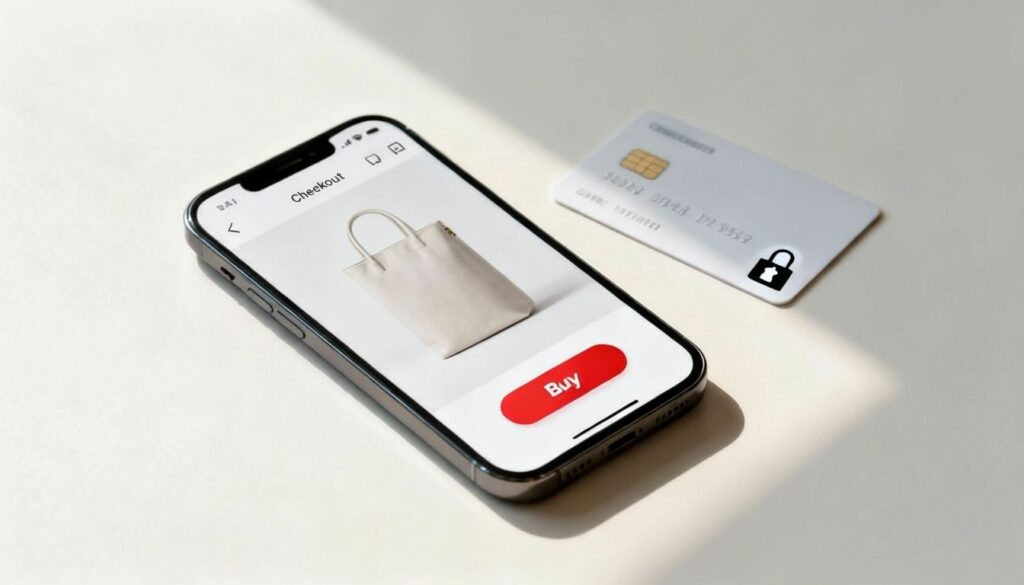
You’ve done all the hard work. The customer found a product, loves it, and added it to their cart. The checkout page is the final hurdle, and it’s where countless sales go to die. A long, complicated checkout is the number one killer of conversions.
Here’s how to fix it:
- Offer Guest Checkout: Forcing someone to create an account to give you money is just madness. Always, always let them check out as a guest.
- Cut Down on Form Fields: Be ruthless. Do you really need their phone number? Only ask for the absolute essentials required to process the payment and ship the product.
- Show a Progress Bar: Let people see the finish line. A simple “Step 1 of 3” bar manages expectations and makes the process feel less daunting.
Building a solid foundation isn’t the most glamorous part of e-commerce, but it’s the most important. Once your site is optimized, you can then start exploring more advanced real strategies that work to increase e-commerce sales with the confidence that your storefront is ready for the traffic.
Use QR Codes to Connect Your Physical and Digital Worlds
QR codes are one of the most effective tools for bridging the gap between your physical products and your online store. They turn static, real-world items—product packaging, event flyers, or even a business card—into interactive gateways that drive customers straight to your digital storefront. Essentially, they are instant shortcuts that solve the problem of getting an interested person to your online store with zero friction.
Imagine a customer unboxing a new gadget. They see a QR code on the inside of the lid, scan it, and are immediately taken to a page with a quick-start video and a curated selection of must-have accessories. You’ve just created a perfect upsell opportunity right at the moment they’re most excited about their purchase.
Emotion sells—in person and online
One of the toughest parts of e-commerce is creating the genuine connection you get from an in-person sale. A skilled salesperson doesn’t just list features; they connect with the customer on an emotional level. A strategically placed QR code can replicate this.
Real Case: A small fashion brand tucked a card into every package with a QR code. When a customer scanned it, it opened a short, personal video from the founder thanking them for their order and sharing the story behind the collection. This small touch created a powerful, personal connection that built incredible brand loyalty. The customer wasn’t just buying a sweater; they were buying into the brand’s story.
Real-time feedback and faster resolution
QR codes can become your best friend in customer service. They give you a direct line to your customers, allowing you to get immediate feedback and handle issues before they become bad reviews.
Real Case: A direct-to-consumer furniture company placed “Need help?” QR codes on their assembly instructions. When a customer got stumped, they could scan the code and be taken directly to a support page with a clear assembly video and a button to start a live chat. This turned a moment of pure frustration into a positive, helpful experience, drastically reducing support emails and preventing negative product reviews.
Gamified QR Code lead capture
How do you get someone to hand over their email address after a simple scan? You make it fun. Gamified lead capture uses entertainment to gather customer info for your marketing funnel, solving the problem of low sign-up rates.
Real Case: A local café put QR codes on its tables with a “Scan to Spin & Win” message. Customers scanned the code, entered their email, and got to spin a virtual wheel to win a free coffee or a discount on their next visit. They captured hundreds of new email leads for their online store in a single month. They didn’t just get an email; they created a memorable, fun interaction.
How to Implement QR Codes to Solve Sales Problems
- Identify the Problem: Is it low customer engagement, high support ticket volume, or poor email list growth? Define the specific sales problem you want to solve.
- Create the Solution: Build a dedicated, mobile-friendly landing page that directly addresses the problem. This could be a video, a support chat link, or a contest entry page.
- Generate a Dynamic QR Code: Use a service that allows you to create trackable, dynamic QR codes. This lets you see how many people are scanning them and allows you to change the destination link later without reprinting anything.
- Place and Prompt: Put the QR code where the customer will most need it (e.g., on packaging, in a user manual, on a restaurant table). Add a clear call-to-action like, “Scan for setup help” or “Scan to win!”
For more practical ways to do this, check out our guide on using QR codes for e-commerce.
Engineer A High-Converting Sales Funnel
Think of a sales funnel as the journey you intentionally create for a potential customer, guiding them from a first casual glance all the way to a confident purchase. A great funnel doesn’t feel like a funnel at all; it feels like a natural, helpful path that meets the customer right where they are.
To build one that actually works, you need to break the journey down into distinct phases. It all starts at the top of the funnel (we call it TOFU), moves to the middle (MOFU), and ends at the bottom (BOFU), where the sale happens. Each part of this journey has a different goal and needs its own set of tactics.
Attracting Attention At The Top (TOFU)
This is your first impression. The goal here isn’t to push a sale—it’s to offer real value that solves a real problem for the people you want to reach. You’re building brand awareness and inviting people into your world.
One of the best ways to do this is with genuinely helpful content. For instance, if you sell skincare, you could write a blog post on “5 Proven Ways to Combat Dry Winter Skin.” This pulls in people who are actively searching for a solution, instantly positioning your brand as a credible expert.
Engaging social media content is another goldmine at this stage. Imagine a company selling sustainable home goods. They could create short, shareable videos showing viewers how to set up a zero-waste kitchen. They’re providing useful tips and attracting an audience that already cares about their brand values, all without pushing a single product.
Building Interest In The Middle (MOFU)
Okay, you’ve got their attention. Now what? The next step is to deepen that connection and nurture their curiosity. This is where you graduate from being a stranger to becoming a trusted resource. The key here is to get them to take a small, low-commitment action, like trading their email address for something valuable.
We call this a lead magnet. It’s a freebie you offer in exchange for their contact info.
Some classic lead magnets that still work wonders are:
- Guides or E-books: A fitness equipment brand could offer a free guide like “The Ultimate 30-Day Home Workout Plan.”
- Webinars: A software company might host a live webinar showing how their tool helps solve a nagging business problem.
- Checklists: A travel agency could create a downloadable “Ultimate Packing Checklist for International Travel.”
Once you have their email, you can start a nurture sequence. And no, this isn’t about blasting them with sales pitches. It’s a series of thoughtful, automated emails that build trust by sharing more great content, customer success stories, and a peek behind the curtain of your brand.
Driving The Sale At The Bottom (BOFU)
By the time someone reaches the bottom of the funnel, they’re informed, interested, and seriously considering a purchase. Your job now is to make the decision to buy a total no-brainer.
It’s time to craft an irresistible offer. Think beyond just the product itself. Could you add a limited-time discount, free shipping, or a special bonus gift? A little urgency goes a long way. Phrases like “Only 10 left in stock” or “Sale ends tonight” are classics for a reason—they prompt people to act now.
Social proof is absolutely essential here. Plaster your product pages with authentic customer testimonials, glowing reviews, and detailed case studies. Seeing that other people have already bought—and loved—your product is often the final nudge a hesitant buyer needs. To really tighten up your sales process and boost those conversion numbers, you might even explore an AI sales copilot.
Create Deeper Connections With Customers
It’s one thing to make a sale; it’s another thing entirely to create a loyal customer. In a world of endless online options, people aren’t just buying a product—they’re buying into a brand, a story, and a feeling. If you want to build a business that lasts, you have to move past the transactional and start fostering a genuine community.
This all comes down to weaving a human touch into every digital interaction. When customers feel like you actually see them and hear them, they stop being just an order number and start becoming your biggest advocates. That’s the kind of trust that fuels repeat business and real, sustainable growth.

Emotion Sells, Both In-Person and Online
One of the toughest hurdles for any e-commerce brand is recreating the magic of an in-person sale. A skilled salesperson doesn’t just rattle off features and benefits; they connect. They listen, they empathize, and they make the customer feel truly understood. You can absolutely capture that same energy online through great storytelling and a personal touch.
Think about a small, family-owned coffee roaster. They could pop a simple QR code on their packaging. A quick scan could launch a video of the founder sharing their passion for sourcing beans ethically, maybe even telling the story of the very farm that grew that batch. All of a sudden, it’s not just a bag of coffee anymore. It’s a connection to a person with a purpose.
That kind of narrative transforms a simple product into a memorable experience, making the price tag feel more than justified and carving out a unique space in a crowded market.
Real-Time Feedback and Faster Resolutions
Let’s be honest: nothing kills customer loyalty faster than making them feel ignored. When someone has a problem, they want it fixed now. The standard 24-48 hour wait for an email response can turn a tiny hiccup into a major meltdown, often leading to a lost customer and a scathing online review.
This is where instant support channels become an absolute game-changer, and QR codes can be an incredibly effective bridge.
Imagine this for a moment:
- A customer is struggling to assemble a piece of furniture they just bought from you. They’re stuck on a particularly confusing step in the manual.
- Right next to that diagram, they spot a QR code with a simple message: “Stuck? Scan for instant help.”
- The code takes them straight to a support page with a quick video tutorial for that exact step, plus a button to start a live chat if they’re still having trouble.
You’ve just turned a moment of pure frustration into a surprisingly positive and helpful interaction. That immediate support doesn’t just save the sale; it proves you’re committed to their experience, building a level of loyalty that money can’t buy.
This kind of proactive support is a powerful way to boost customer satisfaction and keep them coming back.
How to Use QR Codes for Better Customer Connections
Getting this strategy up and running is more straightforward than you might think. The entire goal is to make it ridiculously easy for customers to get the help they need, right when they need it.
- Pinpoint the Friction: Where do your customers get stuck? Maybe it’s product setup, finding the right accessories, or just understanding care instructions. These are prime opportunities for a QR code.
- Create the Destination: For each QR code, build a simple, mobile-first landing page. This page should offer a direct solution—a how-to video, a downloadable PDF, or a link to a live chat service like Intercom or LiveChat.
- Generate and Place the Code: Use a QR code generator (for example OpenQR) to create your code. Then, put it right where the customer will need it most: on the product itself, the packaging, or in the instruction manual.
- Add a Clear Prompt: Don’t just slap a code on there and hope for the best. Add a clear call to action next to it, like “Scan for styling tips” or “Get instant support.”
This direct line of communication is priceless. The feedback you collect can even help you improve your products, making it a win for both your support team and your R&D department. By creating these positive touchpoints, you’re actively learning how to increase customer lifetime value and turning one-time buyers into lifelong fans.
Let Data and Analytics Guide Your Growth
If you’re making decisions based on gut feelings, you’re flying blind. The most reliable way to actually increase your online sales is to stop guessing what your customers want and start listening to what their actions are telling you. Data analytics isn’t some complex beast reserved for massive corporations; it’s your roadmap to understanding real user behavior and making smart, revenue-driving choices.
Think of your website as a constant conversation with your customers. Every click, every abandoned cart, every purchase—it’s all feedback. Your job is to collect these little pieces of information, put them together, and see the full picture of your customer’s journey. This is how you shift from putting out fires to proactively building a better business.
Track the Metrics That Truly Matter
It’s incredibly easy to get lost in a sea of data. To make any sense of it, you need to zero in on a few key performance indicators (KPIs) that directly impact your bottom line. These are the numbers that tell you if your hard work is paying off.
Start by monitoring these essentials:
- Conversion Rate: This is the big one. It’s simply the percentage of visitors who do what you want them to do, like make a purchase. If this number is low, it’s a clear sign there’s friction somewhere in your sales process.
- Average Order Value (AOV): This metric tells you how much a customer spends, on average, every time they buy from you. Finding ways to increase your AOV is one of the fastest paths to growing revenue without needing a single new visitor.
- Customer Lifetime Value (CLV): CLV helps you look beyond a single purchase and predicts the total revenue you can expect from one customer over time. Focusing on CLV encourages you to build long-term, profitable relationships instead of just chasing short-term sales.
Tools like Google Analytics are non-negotiable for this. Take the time to set up conversion goals and e-commerce tracking. It will give you a crystal-clear view of how your site is performing and exactly where you can make improvements.
Your data tells a story about what your customers truly want. By tracking the right metrics, you can learn to read that story and give them an experience they can’t refuse.
Use A/B Testing for Non-Stop Improvement
Once you know your baseline numbers, the real fun begins. A/B testing, also called split testing, is a straightforward but incredibly powerful way to figure out what actually resonates with your audience. You just create two versions of a webpage element (an ‘A’ and a ‘B’), show them to different groups of visitors, and see which one performs better.
You don’t need to overcomplicate it. You can start with small, simple tests that often have a surprisingly big impact:
- Headlines: Test a benefit-driven headline (“Get a Better Night’s Sleep”) against a more direct one (“Premium Memory Foam Mattress”).
- Calls-to-Action (CTAs): Does “Buy Now” work better than “Add to Cart”? You’d be amazed how often a simple color change on a button, like from green to orange, can lift conversions.
- Product Images: Try a lifestyle shot showing your product in use versus a clean, professional shot on a white background.
The goal here is to get into a rhythm of testing, learning, and implementing. Every single test, whether it wins or loses, gives you a valuable insight into how your customers think.
As online retail continues to boom, this data-driven approach becomes more critical than ever. With global ecommerce sales projected to soar as high as $7.5 trillion by 2025, the competition for the 2.77 billion online shoppers is fierce. The businesses that will win are the ones that use data to constantly refine their customer experience. You can see just how massive this trend is in these insights on global ecommerce sales.
This data-first mindset should extend to all your marketing, even campaigns that start in the real world. By using trackable QR codes, you can gather precise data on scan rates and user engagement, turning every single scan into a measurable data point for your analytics dashboard.
A Few Common Questions We Hear All the Time
As you start putting these strategies into practice, you’re bound to run into some specific questions. I’ve been there. Let’s tackle some of the most common ones that pop up when business owners are trying to get their online sales humming.
How Can a Simple QR Code Actually Boost My Sales?
Think of a QR code as a shortcut. It closes the gap between someone’s interest in the real world and the action you want them to take online. It’s all about removing friction. When you make it effortless for a customer to act on an impulse, you capture sales that would have otherwise vanished.
I saw a great example of this with a local winery. They started putting QR codes right on their wine bottles. Imagine someone trying a glass at a restaurant and loving it. Instead of hoping they remember the name later, they can just scan the code and land directly on a page to buy a case. That’s a sale that almost certainly wouldn’t have happened otherwise.
Why Do I Need an “Emotional Connection” on a Website?
In a brick-and-mortar shop, a great salesperson builds rapport and makes people feel good about buying. Emotion is a powerful driver of sales, both in person and online. Since you can’t personally greet every website visitor, your brand’s story has to do the heavy lifting.
This is where storytelling comes in. Don’t just list product features; share the passion behind what you do. For instance, a brand selling handmade leather bags could put QR codes on the tags inside. A quick scan could pull up a video of the artisans crafting the product. Suddenly, it’s not just a bag—it’s a piece of craftsmanship with a human story, which makes the price feel justified and builds a community around your brand.
How Can I Get Ahead of Bad Reviews?
Most bad reviews happen when a customer feels frustrated and unheard. The secret is to solve their problem before they feel the need to complain publicly. This is another area where QR codes can be a surprisingly effective tool for providing instant support right when it’s needed most.
Imagine a company that sells smart home gadgets. They could put a small “Need Help?” QR code right on the device. If a customer gets stuck during setup, they can scan it and instantly get options like:
- A quick video tutorial walking them through the tricky parts.
- A direct link to a live chat with a support agent.
- An FAQ page that hits all the common setup snags.
This turns a moment of potential frustration into a positive, helpful experience. You’ve solved their problem on the spot, which dramatically cuts down on negative reviews and shows you actually care.
What Exactly Is a “Gamified” QR Code?
Let’s be honest, nobody loves filling out a standard “sign up for our newsletter” form. It’s boring. Gamified QR Code lead capture flips the script by turning that process into a fun, interactive game. The result? Much higher engagement and a marketing list full of people who actually want to hear from you.
A coffee shop I know did this brilliantly. They put QR codes on their tables with a simple “Scan to Spin & Win” message. Customers would scan the code, pop in their email to spin a virtual prize wheel, and win things like a free pastry or 15% off their next bag of beans. This little game captured hundreds of emails from genuinely interested local customers, who they could then market to for online bean sales. It’s a simple, effective, and fun way to grow your list and your revenue.
Ready to bridge the gap between your physical products and your digital store? OpenQr makes it simple to create, manage, and track dynamic QR codes that drive real sales. Start your free 14-day trial and see how easy it is to connect with customers and grow your business. Get started with OpenQr today.